
Low-impact living, a Q&A
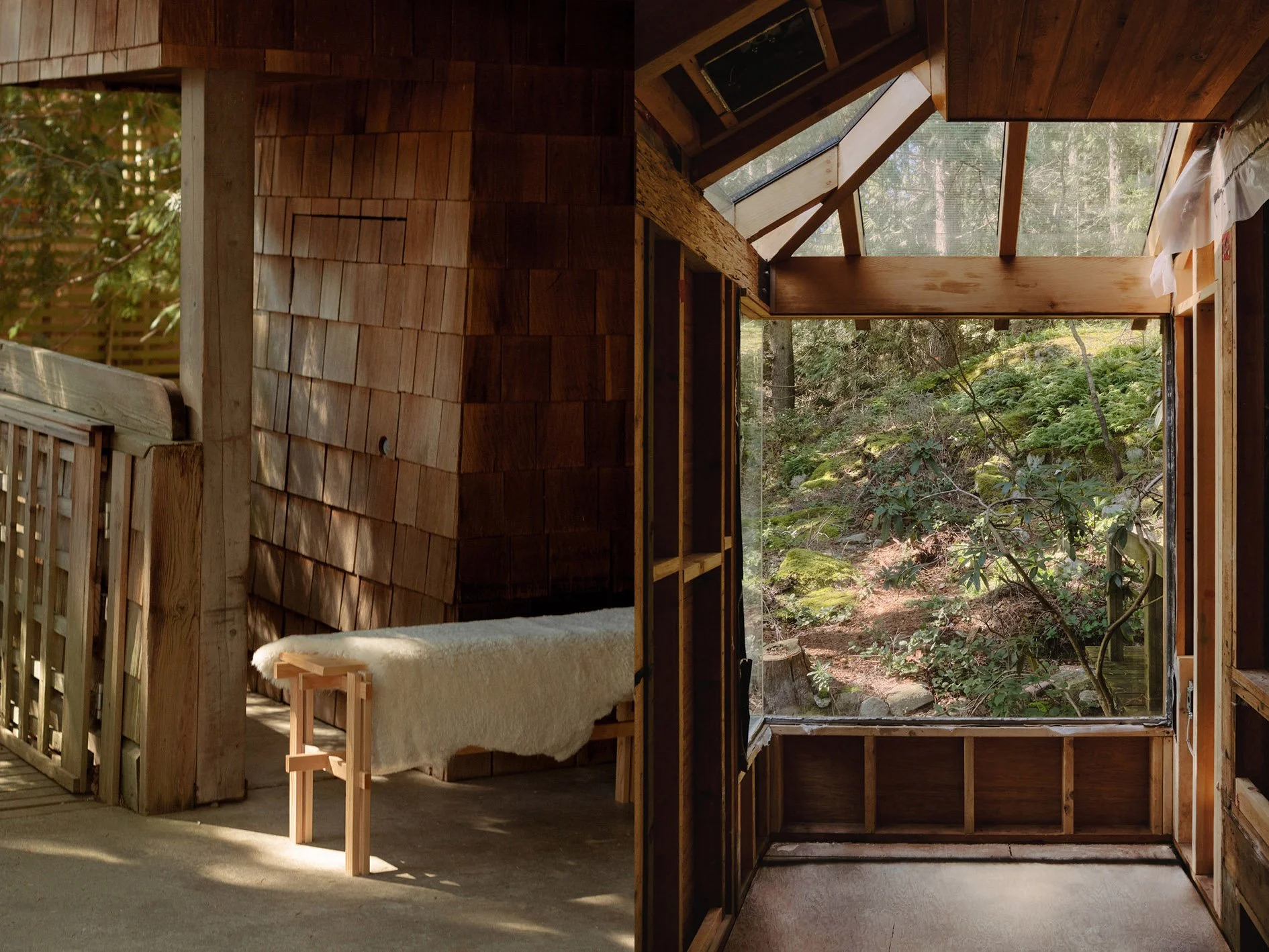
Common Dwells bench design and renovation of West Coast Modern home.
Photography by Agustina García del Río and Alex Lesage.
Relief is a multidisciplinary design studio rooted in Scandinavian clarity and dedicated to shaping cultural and commercial environments with enduring impact. Working across landscape, architecture, interiors, design, and branding, the studio delivers holistic projects where every dimension is addressed as a unified whole. We quizzed founder and architect, Rebecca Norberg on low-impact living as a lifestyle.
Q. How do people perceive 'low-impact' living as a lifestyle choice?
A. I often reframe the notion of ‘low-impact’ living as ‘better living’ — a mindset that favours quality over quantity and fulfilment over excess. For us and our clients, these choices tend to yield a higher return on investment than conventional alternatives, both tangibly and intangibly.
In addition, through our work, when we explore people’s perceptions more deeply, we often uncover regenerative opportunities. In other words, ways to create layered forms of value: financial, ecological, psychological, social, cultural, and aesthetic. When we discuss our daily choices through this lens, the conversation usually shifts from limitation to opportunity. People tend to become curious when living well reveals itself as living more intentionally, and ultimately more simply — they tend to gain more control over their lives when we make this distinction.
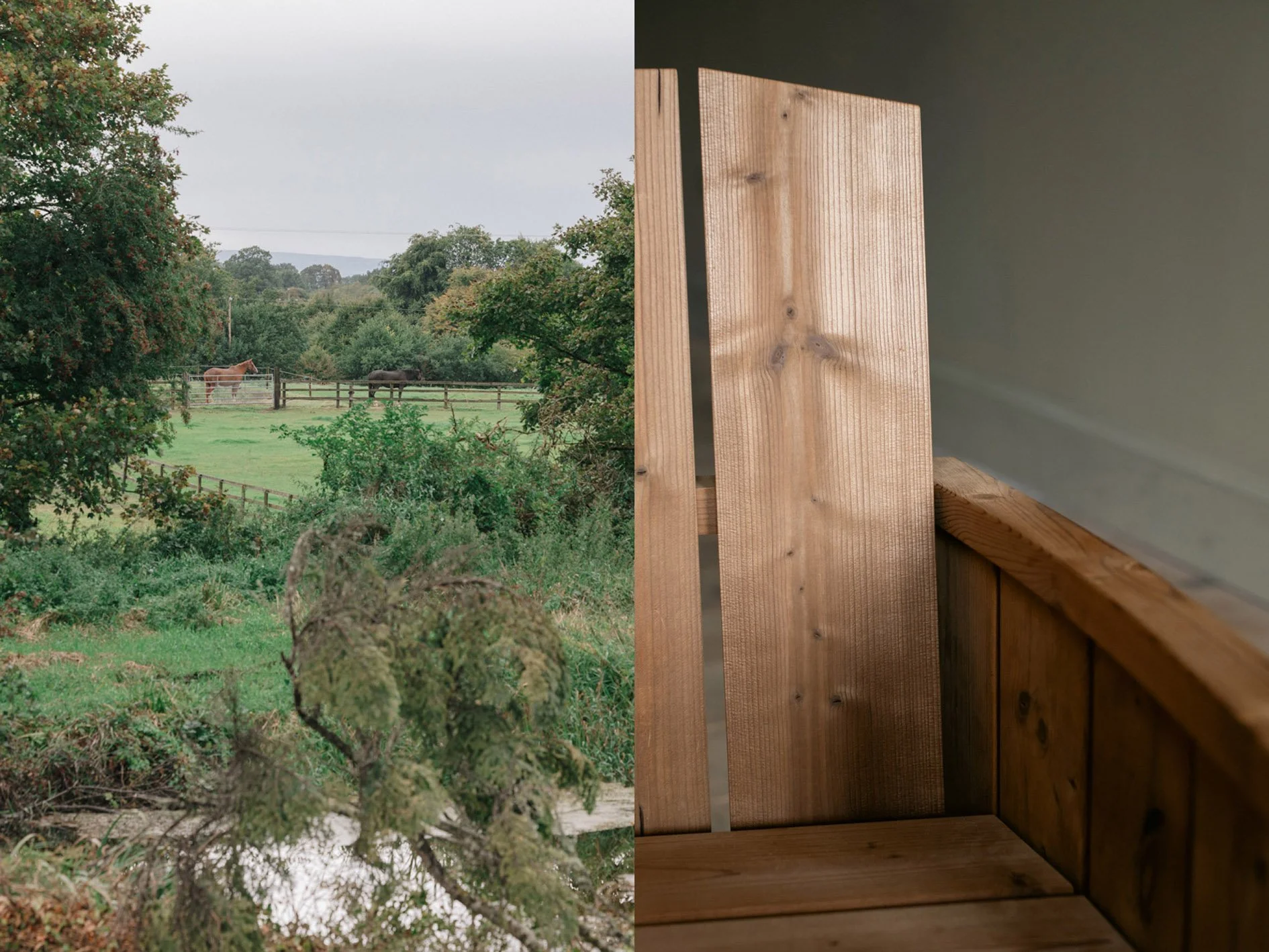
Ómós landscape view and Ómós Lounge Chair design.
Photography by Shantanu Starick, image courtesy of Ómós.
Q. What psychological barriers prevent adoption of quieter, minimalist sustainability?
A. I don’t believe there are many deep psychological barriers left, we’ve largely reached a cultural tipping point where the desire for more considerate living is well established. What lags behind, however, is bureaucracy and the political agenda — the systems that shape how we prioritise and accelerate change.
We need systems that enable and scale the simple solutions we’re favouring on an individual level — whether that’s in our personal or professional roles. For example, for building regulations to change so that it’s easier and more affordable to restore/repurpose/reuse/adapt existing building components, such as beautiful old windows, instead of producing and purchasing new ones. Another example is to go for natural ventilation by opening your windows to air-out instead of installing new windows, which don’t open, that require an air-conditioner powered by electricity. I believe there’s great opportunities in shifting from ‘production/consumption’ to a ‘conservation/restoration/transformation/renovation’ mindset and to reimagine commerce through this lens. On a personal level, the real challenge lies in regulating our nervous systems enough to stay reflective and intentional. We live in a world that constantly pulls our attention outward; cultivating focus, calm, and clarity is something we actively have to teach ourselves. When we lose focus, we lose both our critical thinking and our capacity to act in alignment with our values.
Q. How does design influence pro-environmental behaviour in homes?
A. This is a subject I’m deeply passionate about, and one that sits at the heart of both Relief and Common Dwells, the two practices I co-own. In all of our work, we celebrate what we like to call the “soft power” of design.
Design shapes how we feel and how we behave, it creates a sensory and emotional dialogue between us and our surroundings. Thoughtful design can calm the mind, nurture connection, and gently nudge us toward more conscious or sound choices. We are, in many ways, mirrors of our environment and closest ones, and our environment in turn reflects us. When we fill our spaces with what truly supports our well-being and we reduce what doesn’t, we create a positive feedback loop and ripple effect. The better we feel, the more capacity we have to help others, and our world, become better too.
Q. Can quiet, low-consumption living enhance wellbeing?
A. Absolutely. Our parasympathetic nervous system, the part that governs rest, digestion, and restoration, thrives when life slows down. Constant noise, overstimulation, and excess consumption keep us in a state of depletion rather than fulfilment.
Quiet, considered living helps us return to a grounded, pure version of ourselves. It gives our bodies and minds the space to regenerate, reconnect, and rediscover what truly feels important to us. This is the only way we can move towards more of that which nourishes us and away from that which no longer serves us.
Q. How can design and interior aesthetics reinforce sustainable habits?
A. We’re always in a state of becoming, and aesthetics play a powerful role in that process. The spaces we inhabit shape us — they influence how we feel, what we focus on and value, and who we aspire to be. Every design choice creates feedback: it tells us what feels right and what doesn’t. These signals shape our decisions, which evolve into habits, and over time those habits shape us. In that sense, our aesthetic sensibilities are an expression of our values and our values are the compass guiding our lifestyle choices. Funnily enough, this brings us full circle: without a doubt, design impacts how we choose to express and care for ourselves, each other, and our environment — and vice versa.
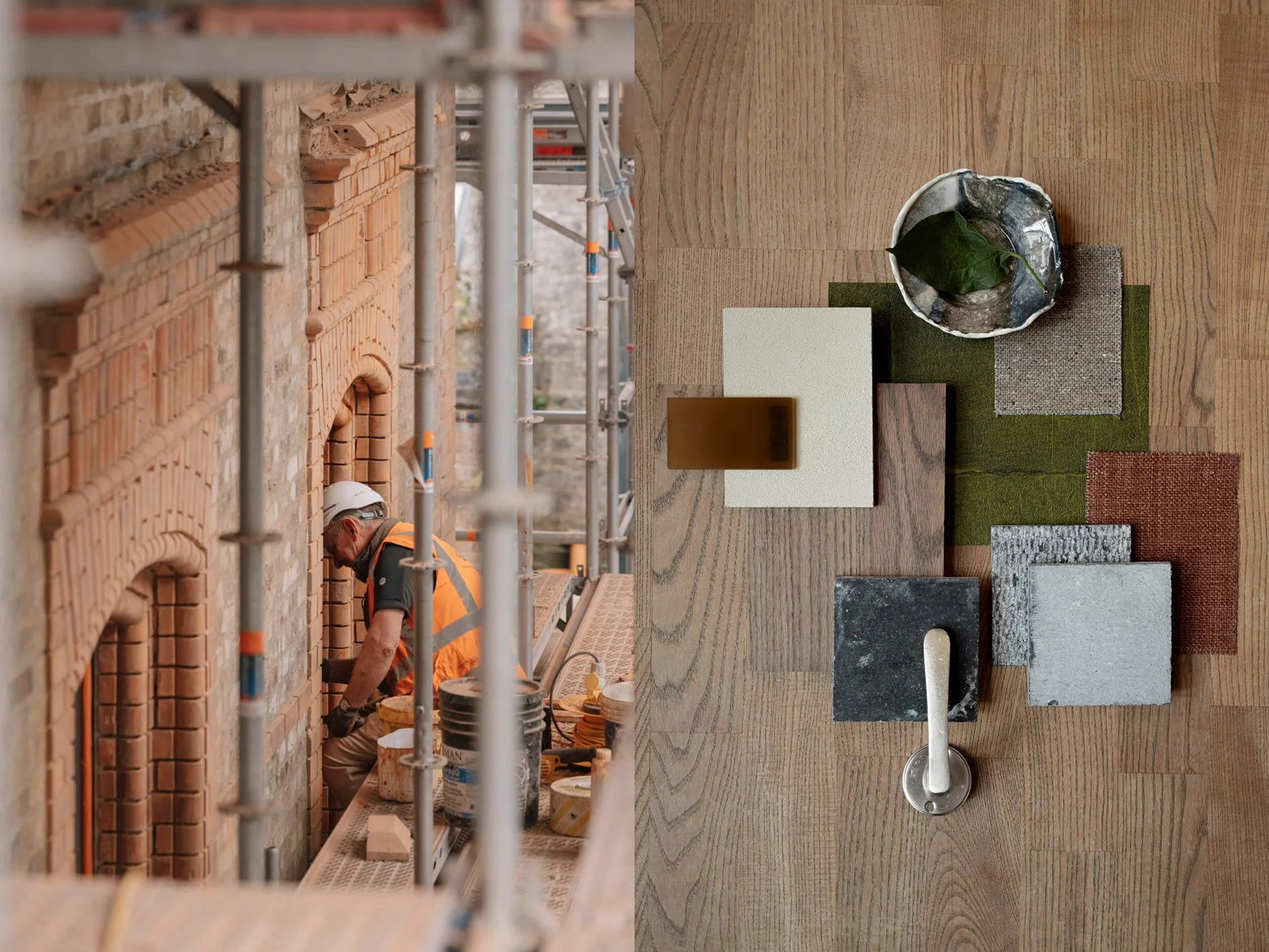
Ómós Guesthouse facade restoration in progress and material board.
Photography by Shantanu Starick and Relief.
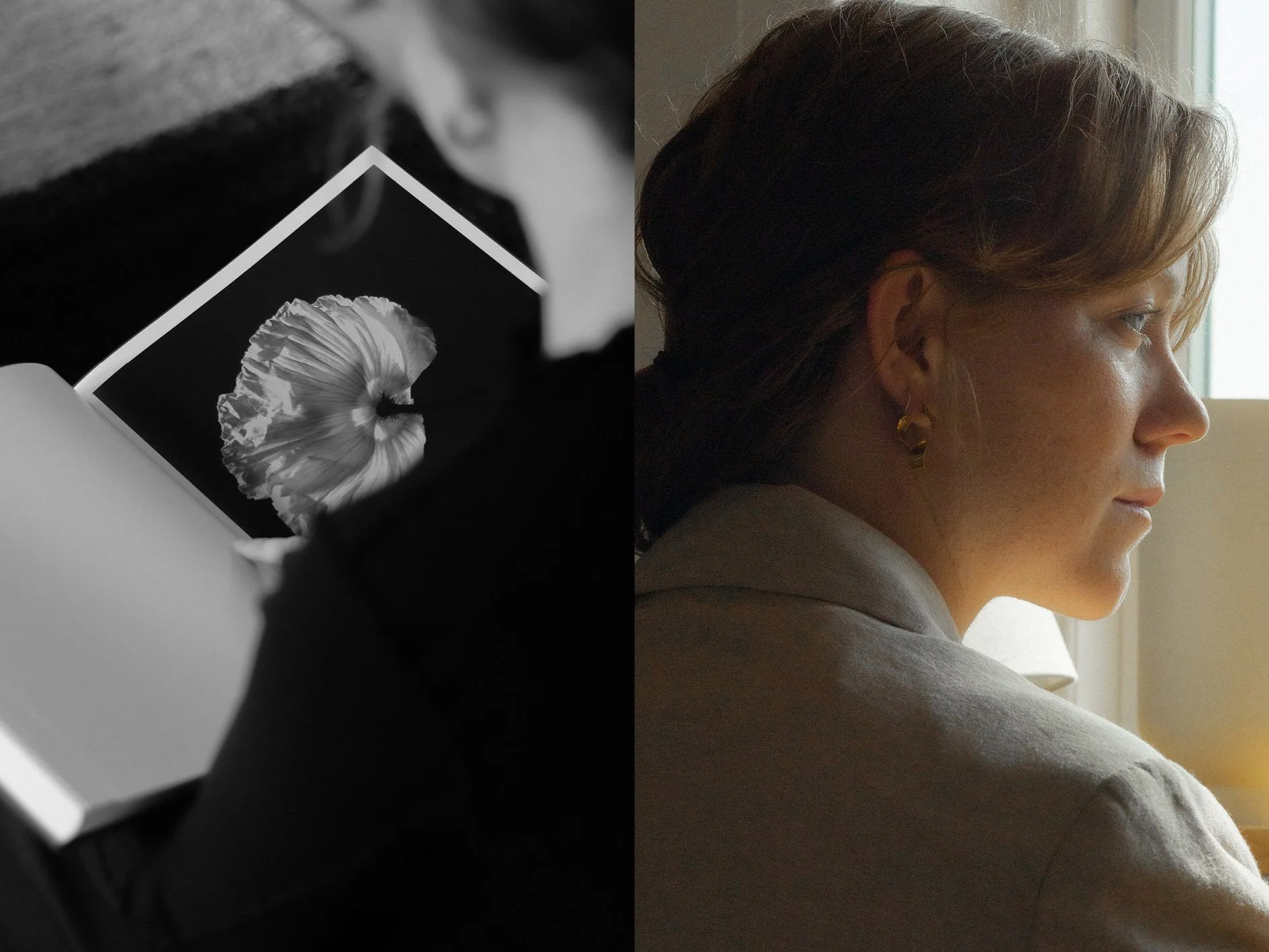
Photos of Rebecca Norberg, architect and founder of Relief.
Image courtesy of Relief.
About Relief:
Relief works with clients who aim to create institutions, destinations, and businesses capable of influencing culture and shaping new standards. The studio’s work is defined by a commitment to clarity, progressiveness, aesthetics, and strategic depth. Designs are characterised by refinement, strong spatial awareness, and a unique awareness of how to advance relationships between built form, natural context and social experience.
From cultural institutions to hospitality, residential, commercial, and public environments, Relief’s portfolio consistently demonstrates a holistic design approach that merges conceptual precision with technical excellence. The studio’s global ambition is reflected in its ability to deliver the highest quality of work to its international clientele – calm in expression, confident in execution, and deeply considered in every detail.